

By Anneliese Williams & Michelle Maslanka
There’s something unforgettable about a perfect day outdoors—a bluebird morning on the mountain, a sunny afternoon on the water, or a crisp fall ride along a bike path. For adaptive athletes, these moments offer far more than recreation. They provide freedom, confidence, connection, and joy. Adaptive sports programs create opportunities to move beyond the daily challenges of living with a disability and focus instead on what’s possible. Along the way, volunteers, instructors, and guides often become trusted teammates and friends, helping build a strong sense of community and belonging.
Once an athlete starts down the mountain, across the lake, or onto the court, their focus shifts from limitations to the experience itself. The excitement of the moment demands complete presence, leaving little room for anxiety or self-doubt. Adaptive recreation offers a rare opportunity to focus on what the body can do rather than what it cannot.
These experiences often help athletes reconnect with parts of themselves they thought were lost after injury, illness, or diagnosis. The confidence gained through challenge and adventure frequently carries over into everyday life, fostering greater independence and self-confidence. Just as importantly, adaptive sports bring together people who share similar experiences and celebrate one another’s successes. Whether it’s reaching a personal milestone or trying something new for the first time, every achievement is met with encouragement and support.
Sports Spotlights
From recreational activities to elite competition, the world of adaptive sports is remarkably expansive. In fact, there are 29 Paralympic sports, along with countless recreational options that can be adapted to different abilities and interests. Below, several of our Scholarship recipients share their favorite adaptive sports and the impact these activities have had on their lives.
Adaptive Tennis
Adaptive tennis is one of the most open eligibility sports, with options to play standing, in a manual wheelchair, or in a power chair. You can even compete against your able-bodied friends, making it widely accessible and a great social opportunity! The United States Tennis Association’sadaptive tennis page provides great resources for getting started, including a map that can help you identify an adaptive tennis program near you.
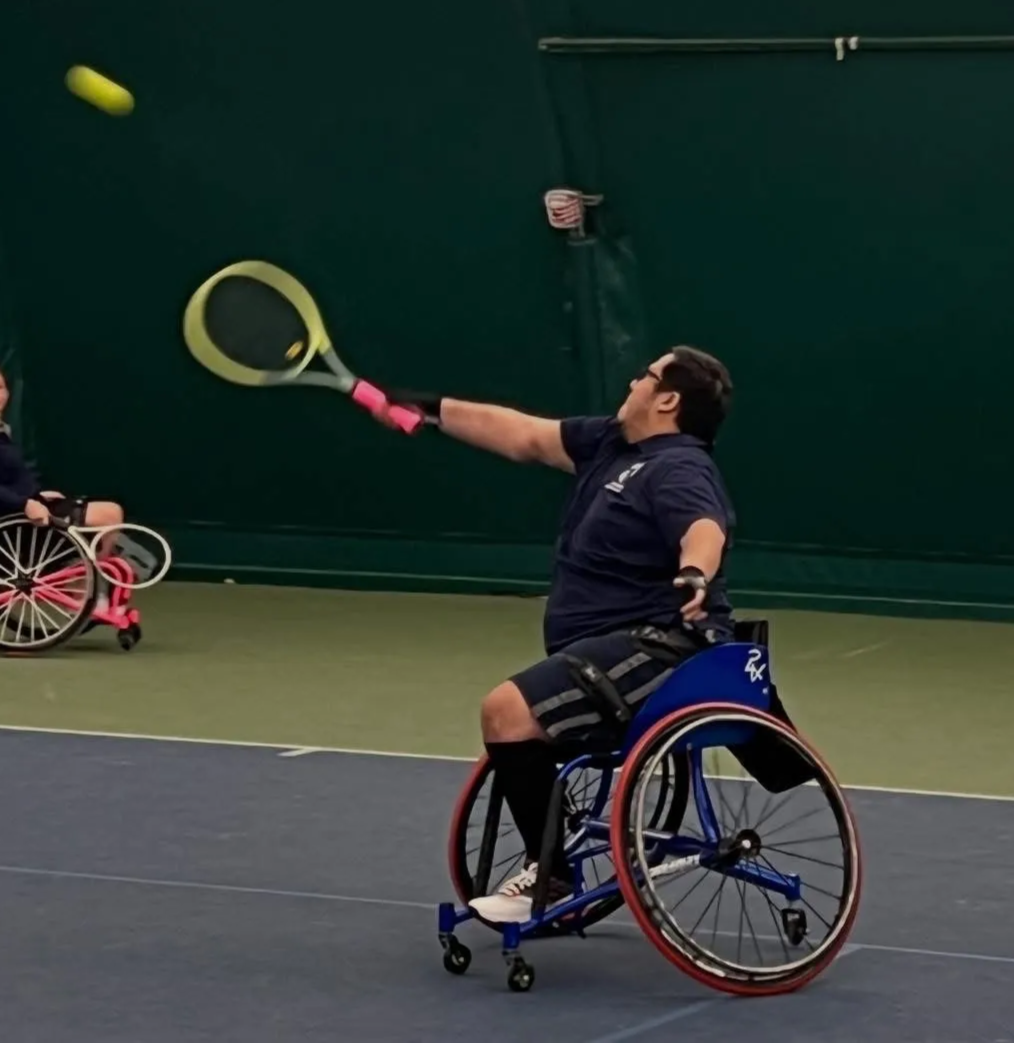
“After losing my right leg, wheelchair tennis became a critical part of my recovery, giving me a renewed sense of purpose, independence, and confidence. It is not just a sport for me—it is a form of rehabilitation, mental health support, and a pathway back to an active and meaningful life.”
Wheelchair Basketball
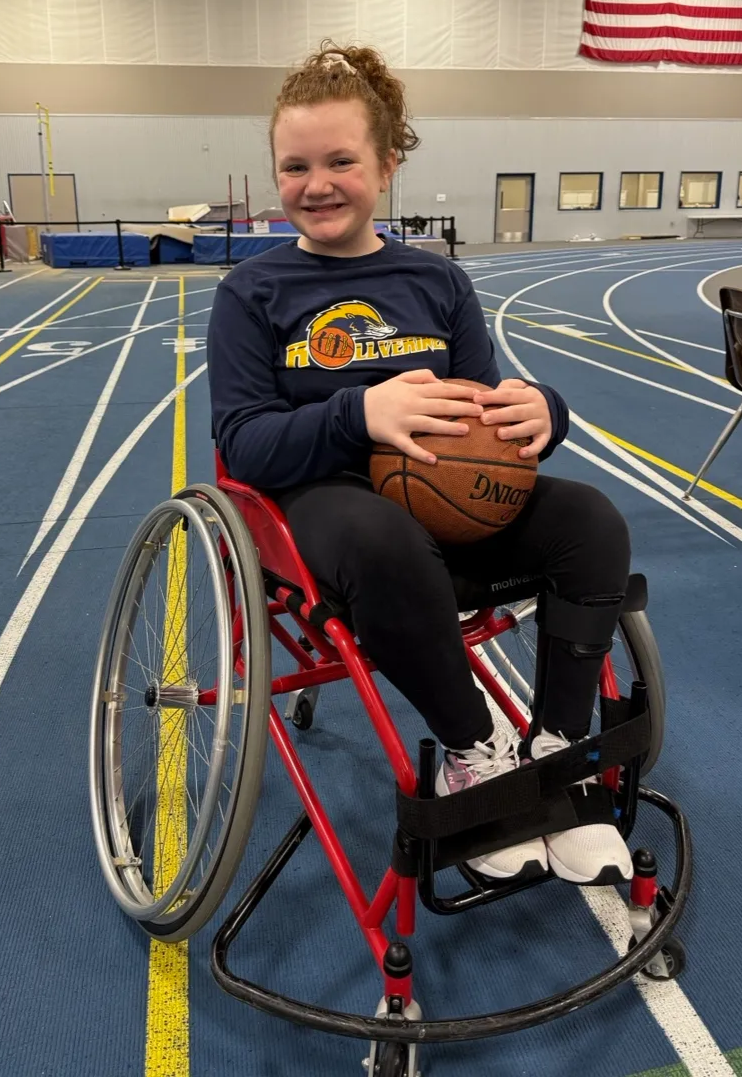
Wheelchair basketball is a fast-paced, inclusive sport for individuals with lower-limb disabilities. Athletes are classified by functional ability, allowing players with different impairments to compete together. With youth and adult leagues nationwide, the sport offers opportunities to stay active, develop skills, and build friendships. Strong youth programs help children connect with peers who share similar experiences. To learn more and find a team near you, visit the National Wheelchair Basketball Association’s website.
“Our family has always wanted Jade to experience the camaraderie and growth that come with team sports, where she could be around kids just like her. Basketball has given Jade joy, confidence, and connection - a true sense of belonging. It has helped her build close friendships and discover her strengths.”
Adaptive Racing
Adaptive racing offers a variety of events from sprints to marathons! Athletes are classified based on their disability, so each person competes against athletes with similar abilities. From wheelchair racing to frame running and amputee divisions, there is a place for everyone in adaptive racing. Visit Adaptive Track & Field USA to learn more!
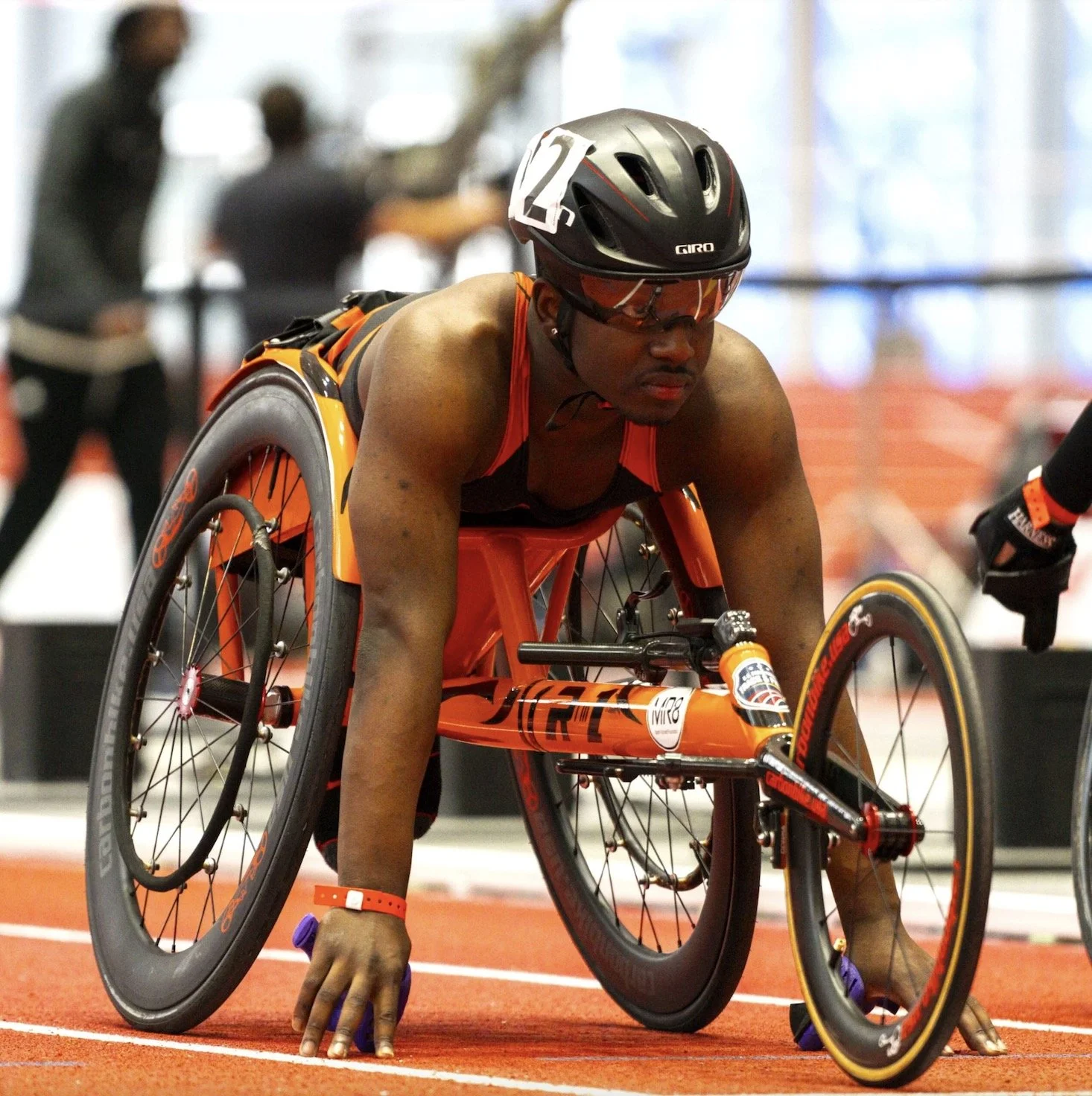
“I see lots of wheelchair racers who are still actively competing in their 40s, 50s, and even 60s - and that’s what I want for myself. I want to be that 60 year old guy who is still going strong on the race circuit and giving advice to the younger athletes just starting out. Lots of people have done that for me and I want to be able to do that for the next generations.”
Quad Rugby
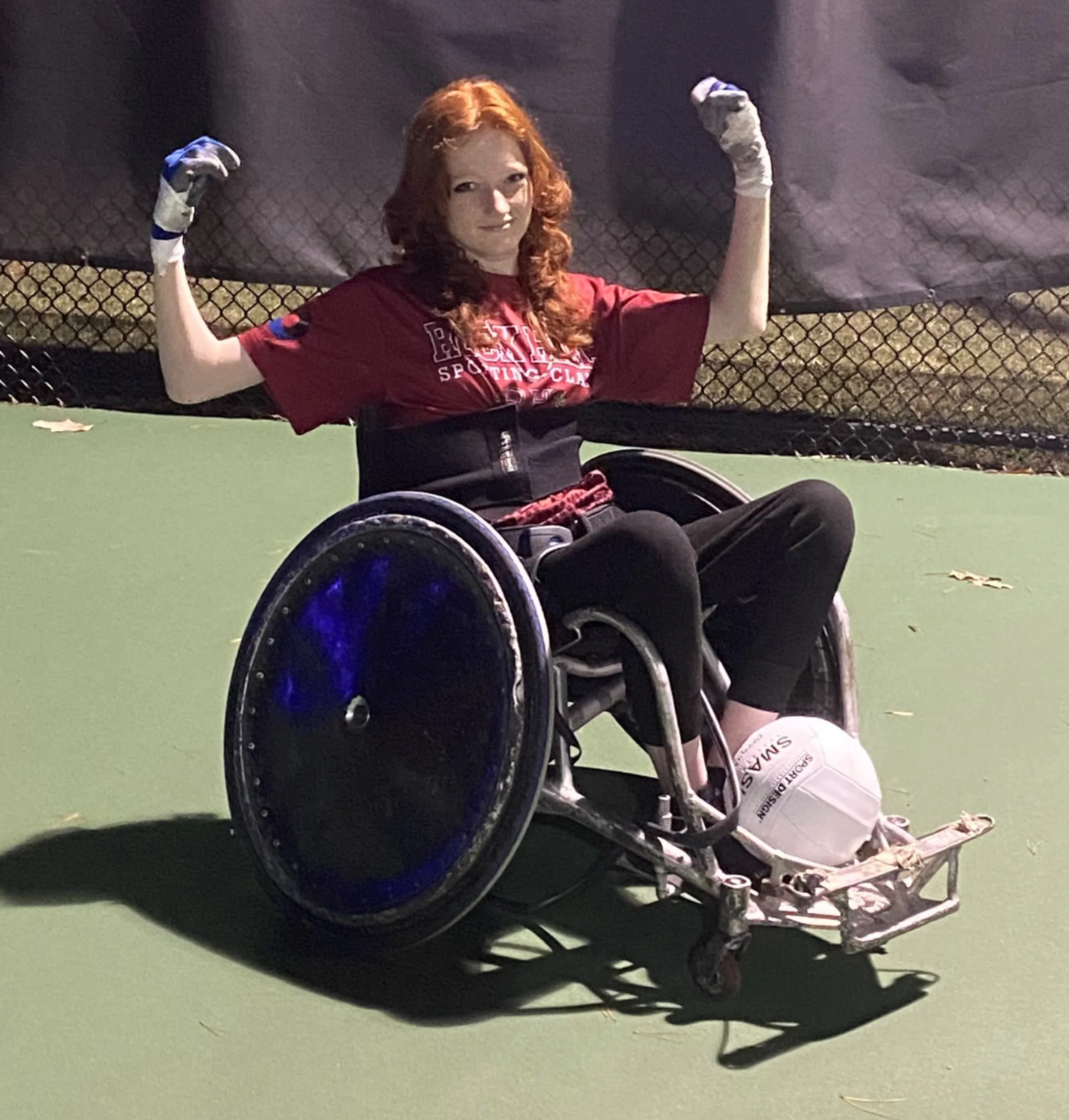
Quad rugby is a fast-paced, high-intensity sport designed for quadriplegics and individuals with at least three limbs impaired. While initially created for people with high-level spinal cord injuries, today, individuals with a wide range of qualifying diagnoses, including cerebral palsy, amputations, muscular dystrophy, and more, compete. In the United States, quad rugby is primarily an adult sport, although a growing number of teenagers are participating. To learn more and find a team near you, visit the United States Wheelchair Rugby Association’s website.
“Miley’s wheelchair rugby team means the WORLD to her. Rugby is giving her some of her life back along with the freedom to exercise and be as active as she was before.”
Mountain Biking
Adaptive mountain biking gives individuals with disabilities an opportunity to enjoy the outdoors at their own pace. With hand-pedaled, foot-propelled, and e-assist bikes, riders can choose anything from casual trails to challenging terrain, making the sport highly adaptable. Move United’s adaptive sports finder can help you identify an adaptive mountain biking opportunity near you: Locations - Move United. If you want to purchase your own adaptive mountain bike, Bowhead, Reactive Adaptations, Outrider USA, and Sport-On Jeetrike all offer great options!
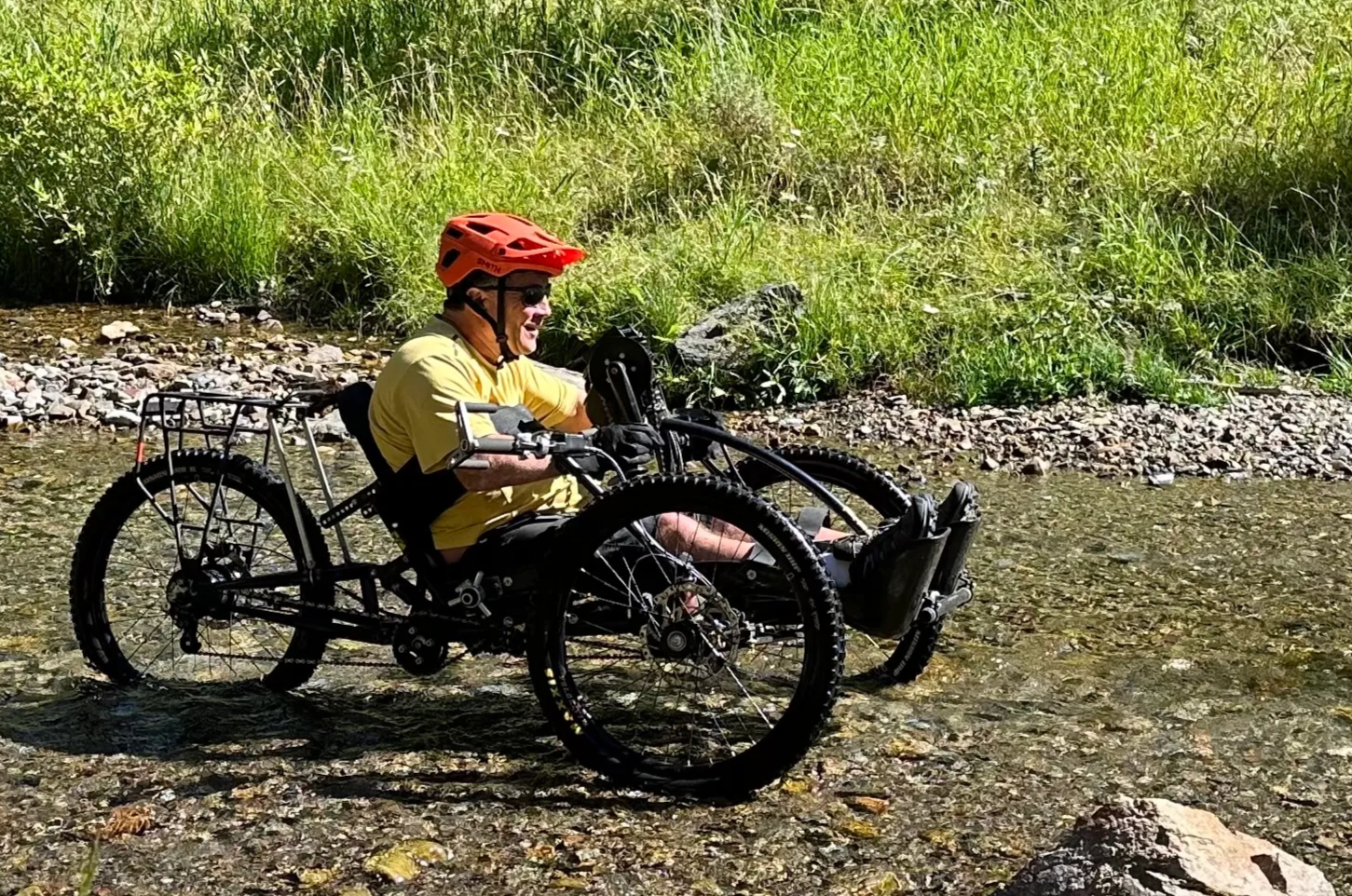
“Mountain biking is one of the most powerful ways I experience freedom. It gives me access to and allows me to move through the world in a way that feels expansive rather than restricted. Trails that were once out of reach—physically and emotionally—have become places of possibility. Each ride represents progress, confidence, and the powerful reminder that my life is still full of discovery.”
Recreational Sports: Hiking, Fishing, Kayaking, and More!
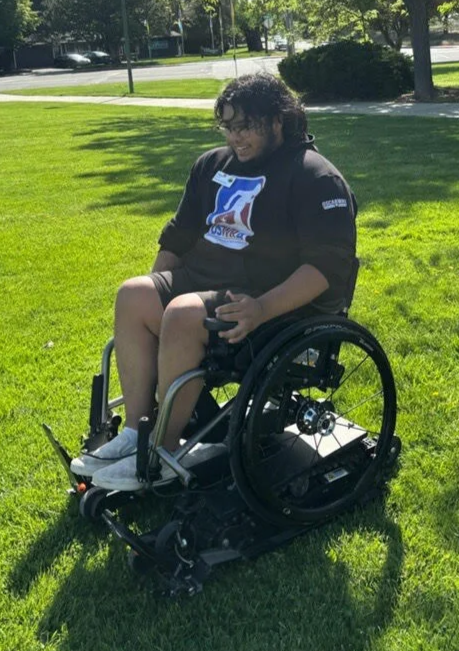
Adaptive sports aren’t just about competition! Your favorite recreational activities can similarly be adapted to your ability level, from wheelchair attachments like the Freedom Trax and FreeWheel that let wheelchair users go on hikes to adaptive boat launches and paddles for kayaking. Many areas have adaptive recreation programs with support staff, loaner equipment, and community events to help you get started. Some parks also loan motorized off-road wheelchairs or track chairs to people with disabilities at no cost, allowing them to explore the outdoors. Track Chair finder is a great resource for identifying places near you!
“My life before my diagnosis was filled with outdoor adventure and exploring on hikes. Freedom Trax gave me a chance to be who I was before my diagnosis. The outdoors have always been a big part of my life, and it is such a dream come true to be able to get back outside.”
Adaptive sports and recreation remind us that ability is not defined by limitations, but by the opportunities we have to explore, connect, and grow. Whether on a court, trail, mountain, lake, or race course, these experiences create confidence, community, and moments of pure joy that extend far beyond the activity itself. For many athletes, adaptive sports are not just a pastime—they are a pathway to independence, friendship, adventure, and a renewed sense of possibility.
What activity has helped you feel most free, connected, or empowered? If you've participated in adaptive sports or recreation, we'd love to hear your story, favorite activity, or advice for someone considering trying it for the first time. Share your experience in the comments and help inspire others to discover their next victory.
